
What to Pack for Mount Kenya: The Ultimate Trekking Checklist
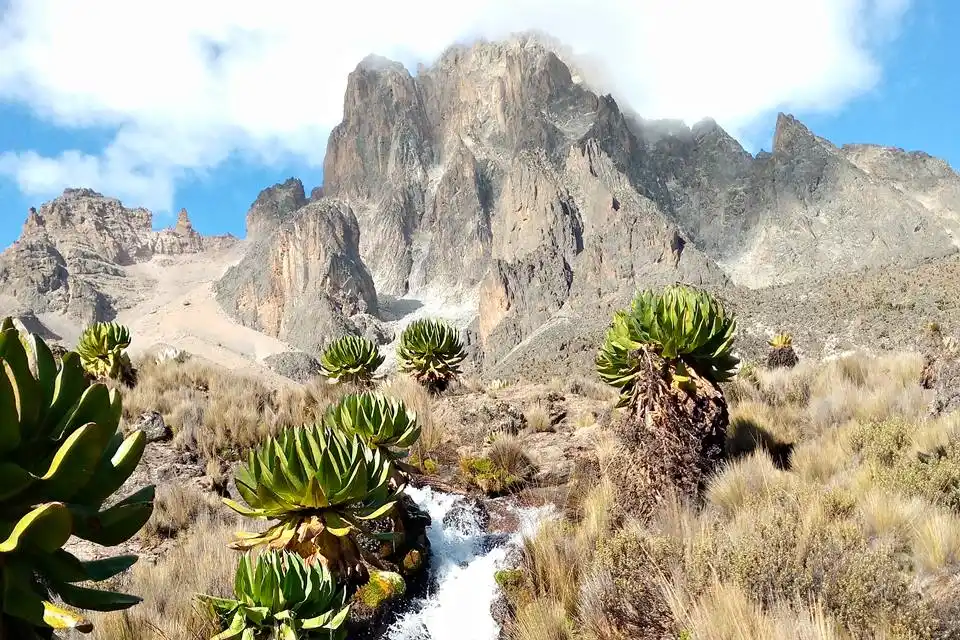
Conquering Mount Kenya, Africa’s second-highest peak, is an exhilarating adventure. As you ascend from tropical rainforests and bamboo thickets up into alpine moorlands and jagged glacial peaks, the scenery changes dramatically—and so does the weather.
Because you will experience everything from equatorial heat to freezing nighttime temperatures (dropping well below 0°C near the summit), packing the right gear is critical for your safety, comfort, and summit success.
At Tilman Safaris, we want to ensure you are fully prepared for the trek of a lifetime. Here is our definitive guide on what to pack for Mount Kenya.
1. The Golden Rule: Layering is Everything
On the mountain, cotton is your enemy. It holds moisture, takes forever to dry, and will make you cold. Instead, opt for quick-drying, synthetic, or merino wool fabrics. We recommend a four-layer clothing system:
- Base Layer: Moisture-wicking thermal underwear (tops and bottoms) to keep sweat away from your skin.
- Mid-Layer (Insulation): A lightweight fleece jacket or soft-shell top to trap body heat during active daytime trekking.
- Insulating Layer: A high-quality down jacket or synthetic puffer jacket. This is essential for chilly evenings at camp and the final summit push.
- Outer Layer (Shell): A breathable, fully waterproof, and windproof jacket (like Gore-Tex) and matching rain trousers to shield you from unexpected mountain downpours.
Trekking Clothes to Add to Your Bag:
- 2–3 breathable, moisture-wicking hiking t-shirts (long and short sleeves)
- 1–2 pairs of lightweight, convertible hiking trousers
- 4–5 pairs of high-quality underwear (synthetic or merino wool)
- A comfortable change of casual clothes to wear around the camps at night
2. Footwear & Accessories: Protect Your Extremities
According to mountain guides, poor hand and foot protection accounts for a significant portion of failed summit attempts. Don’t let cold fingers or blisters hold you back!
- Hiking Boots: Sturdy, waterproof, ankle-high boots with deep traction soles (like Vibram). Ensure these are well broken-in weeks before your safari.
- Camp Shoes: A pair of lightweight sneakers or sandals to let your feet breathe after a long day of walking.
- The Sock System: Pack 3–4 pairs of thick, thermal trekking socks (merino wool is ideal) paired with thin liner socks to drastically reduce friction and prevent blisters.
- Gaiters: Highly recommended to keep mud, loose scree, and melting snow out of your boots.
For Your Head and Hands:
- Sun Hat: A wide-brimmed hat to shield your face from the intense equatorial sun.
- Warm Beanie / Balaclava: A wool or fleece hat that covers your ears. A balaclava or Buff is perfect for blocking icy winds on summit night.
- Gloves: One pair of thin liner gloves and one pair of heavy-duty, waterproof, insulated gloves or mittens.
3. Back-Saving Bags and Sleeping Gear
When you book a Mount Kenya trek with Tilman Safaris, professional porters will carry your heavy gear. However, you still need to pack intentionally.
- The Main Luggage (Duffel/Rucksack): A 65–75L soft-sided duffel bag or rucksack. Note: Porters have a weight limit of 15 kg for your main bag.
- The Daypack: A 25–35L lightweight backpack with a comfortable hip strap. This stays with you throughout the day to hold your water, camera, extra layers, rain gear, and snacks.
- Waterproof Dry Bags: Use these inside your packs to guarantee your clothes and electronics stay completely dry during heavy rain.
- Sleeping Bag: A four-season or five-season sleeping bag rated for comfort between $-10^\circ\text{C}$ and $-20^\circ\text{C}$. The mountain nights are notoriously freezing!
4. Hardware, Electronics & Hydration
- Trekking Poles: Highly recommended to reduce the impact on your knees during steep ascents and slippery downhills.
- Headlamp: An absolute must-have with a minimum of 200–300 lumens. The final push to Point Lenana begins in pitch darkness around 2:00 AM, so bring extra lithium batteries.
- Hydration Systems: A capacity for at least 3 liters of water. We suggest a combination of a 2-liter water bladder (like a Camelbak) and a durable, wide-mouthed hard plastic bottle (like a Nalgene). Pro-tip: Bring an insulated flask for hot drinks on the summit climb!
- Power Bank: Cold weather drains batteries fast. Bring a high-capacity portable power bank (20,000mAh) sealed in a waterproof bag to keep your phone and camera charged.
5. Personal Care and First Aid
While your Tilman Safaris guide carries a comprehensive emergency kit, you should always pack a small personal first-aid bag containing:
- High-SPF Sunscreen & Lip Balm: The sun at high altitudes is incredibly strong.
- Altitude Medication: Consult your doctor about Diamox to help prevent Acute Mountain Sickness (AMS).
- Pain Relievers & Gastro Medication: Ibuprofen or Paracetamol for minor headaches; Imodium and rehydration sachets just in case.
- Blister Plasters: Brands like Compeed are lifesavers on the trail.
- Hygiene Essentials: Wet wipes (your best friend for a “mountain shower”), hand sanitizer, biodegradable soap, and a roll of toilet paper.
Final Packing Checklist Summary Table
| Category | Must-Have Items |
| Clothing | Base layers, fleece jackets, down jacket, waterproof shell jacket & pants, hiking trousers. |
| Footwear | Broken-in waterproof boots, camp shoes, wool trekking socks, liner socks, gaiters. |
| Bags & Sleep | 70L duffel (max 15kg), 30L daypack, -10°C sleeping bag, dry bags. |
| Gear | Headlamp (+ spare batteries), trekking poles, UV sunglasses, 3L water bottles/bladder. |
| Personal | Passport, visa, cash, SPF 50+ sunscreen, wet wipes, personal first-aid kit. |
Ready to Stand on the Equatorial Snow?
Packing right is the first step toward a successful and enjoyable climb. By ticking off everything on this list, you’ll be able to focus entirely on the breathtaking views, unique Afro-alpine vegetation, and the rewarding triumph of reaching the summit.
Are you ready to plan your Mount Kenya expedition? Get in touch with the trekking experts at Tilman Safaris today, and let’s turn your mountain dreams into reality!