
How to Train for Mount Kenya: Fitness Tips and Prep Guide
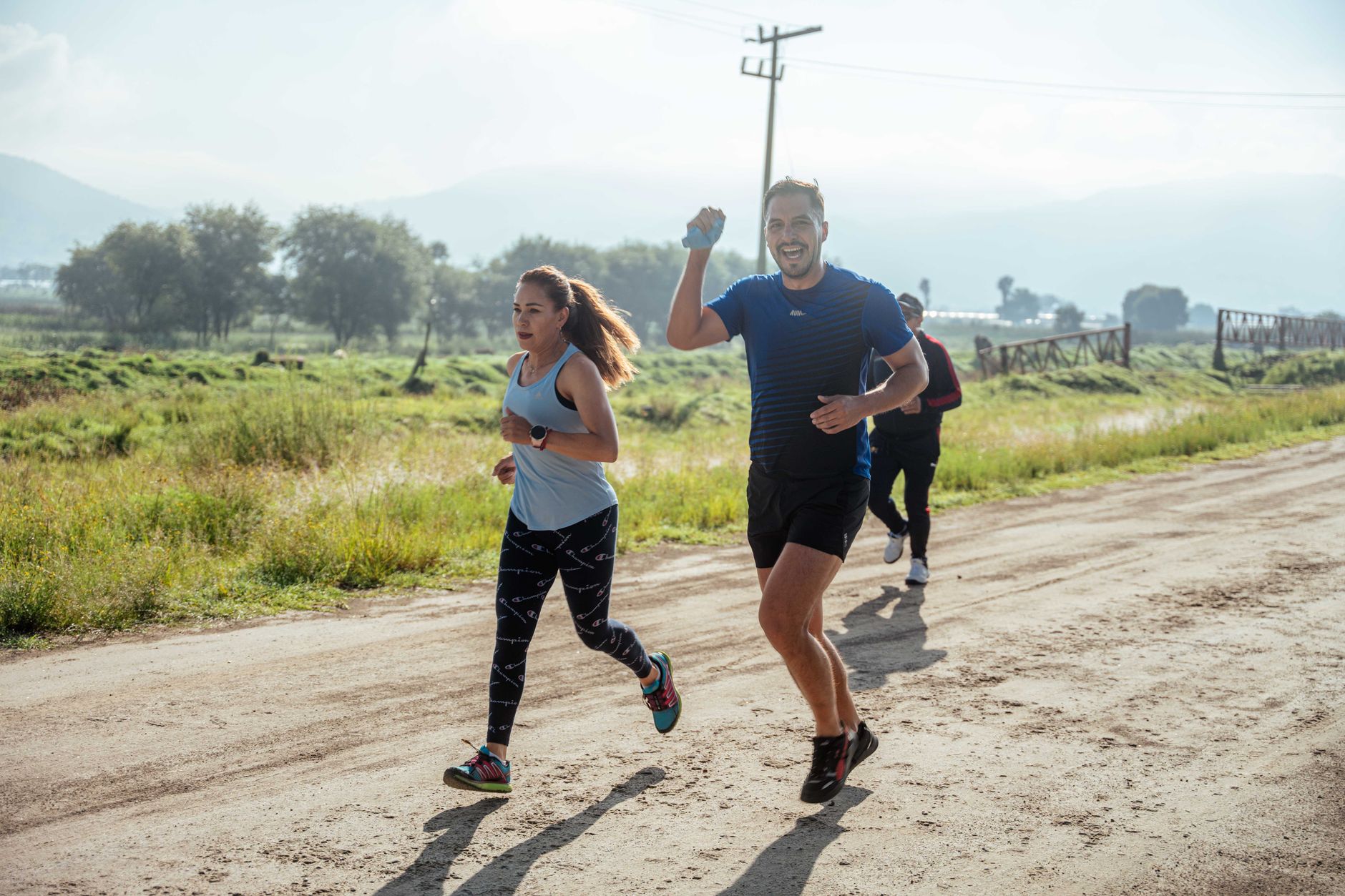
Scaling Mount Kenya is an unforgettable experience, but it is no walk in the park. As you push toward Point Lenana ($4,985\text{ m}$), the air thins, the terrain gets steep, and your endurance is put to the test.
While you don’t need to be an elite athlete or a professional rock climber to summit Africa’s second-highest peak, you do need a solid level of cardiovascular fitness and physical conditioning.
At Tilman Safaris, we believe proper preparation is the secret ingredient to a successful, enjoyable summit. Here is our expert guide on how to train for Mount Kenya.
1. Start Early: The Ideal Training Timeline
Don’t wait until the month before your trek to start training. For the best results and to avoid injury, you should begin your conditioning program 8 to 12 weeks before your scheduled safari departure.
This gives your heart, lungs, and muscles enough time to adapt to the increased physical workload.
2. Focus on Cardiovascular Endurance
The typical trekking day on Mount Kenya involves walking uphill for 4 to 7 hours while carrying a daypack. Your primary goal is to build an efficient aerobic base so your body can utilize oxygen effectively at high altitudes.
Best Cardio Workouts for Mount Kenya:
- Stair Climbing: This is the absolute best simulation for mountain trekking. Use the stairmaster machine at the gym, or find a local stadium or high-rise building.
- Trail Running & Rucking: Jogging on uneven terrain builds ankle stability. “Rucking”—walking at a brisk pace with a weighted backpack ($5\text{–}10\text{ kg}$)—perfectly mimics trek conditions.
- Cycling & Swimming: Excellent low-impact options to build lung capacity and leg endurance without putting too much stress on your joints.
The Goal: Aim for 3–4 cardio sessions per week, gradually increasing the duration rather than the intensity. Continuous, steady effort is key.
3. Build Leg and Core Strength
Steep ascents require strong quadriceps and glutes, while long, jarring descents on loose scree demand iron-clad knees and a stable core. Incorporate strength training 2 times a week.
Recommended Exercises:
- Weighted Squats: Builds power in your quads and glutes.
- Lunges (Forward and Walking): Great for single-leg stability and strengthening the muscles around your knees.
- Step-ups: Step onto a bench or box ($30\text{–}45\text{ cm}$ high) while wearing your loaded daypack. Aim for 50–100 steps per leg.
- Planks & Russian Twists: A strong core keeps your posture upright and prevents lower back pain when carrying a backpack for hours.
4. Specificity Training: Break in Your Gear
The single biggest mistake hikers make is stepping onto Mount Kenya in brand-new hiking boots. This is a surefire recipe for agonizing blisters.
- Weekend Practice Hikes: Dedicate 3 or 4 weekends to long, full-day hikes in your local area.
- Wear Your Full Kit: Wear the exact hiking boots, socks, and daypack you plan to use on the mountain.
- Simulate the Weight: Gradually fill your daypack with water bottles until it weighs around $6\text{–}8\text{ kg}$. This trains your shoulders and lower back to handle the load.
5. The Ultimate Factor: Mental Toughness & Altitude
You can be in peak physical condition, but Mount Kenya will still challenge your mental resilience. Summit night begins in the freezing cold, pitch darkness, at 2:00 AM.
- The “Pole Pole” Philosophy: In Swahili, pole pole means “slowly, slowly.” Our Tilman Safaris guides will pace you deliberately slow. Speed is your enemy at high altitude; conserving energy is your superpower.
- Hydration Conditioning: Train yourself to drink plenty of water during your practice workouts. Proper hydration is one of the best defenses against Acute Mountain Sickness (AMS).
Summary: A Sample Weekly Training Schedule
| Day | Activity | Focus |
| Monday | Rest Day | Muscle recovery. |
| Tuesday | 45 Mins Cardio | Stairmaster, hill intervals, or cycling. |
| Wednesday | Strength Training | Squats, lunges, planks, and step-ups. |
| Thursday | 45 Mins Cardio | Steady-state running or brisk rucking. |
| Friday | Strength Training | Core work, bodyweight exercises, and stretching. |
| Saturday | Long Hike | 3–5 hours on local trails with a weighted daypack. |
| Sunday | Rest Day / Active Recovery | Light walking or yoga. |
Let Tilman Safaris Guide You to the Top
Physical preparation gets you to the base of the mountain, but a world-class support team gets you to the summit. When you trek with Tilman Safaris, our experienced guides, dedicated porters, and talented camp chefs ensure you are safe, well-fed, and fully motivated every step of the way.
Are you ready to take on the challenge? Get in touch with us today to book your Mount Kenya trekking itinerary!